
Colleyville, TX · Garage Door Service
Garage Door Repair for Colleyville Homes
Colleyville homes built between 1953 and 2014 carry springs and openers that wear out differently in North Texas heat. Local repair for doors that stick, bind, or won't close.
- Repairs & new doors
- Springs & openers
- Serving 7 nearby communities
The Symptom
The door groans halfway up and stops. Or it closes fine in the morning and refuses by afternoon. Or the opener runs but the door doesn't move at all. These are the calls we get most from Colleyville, and they almost never show up the same way twice because the cause depends on what's loading the spring and what the heat is doing to the opener's circuit board that day.
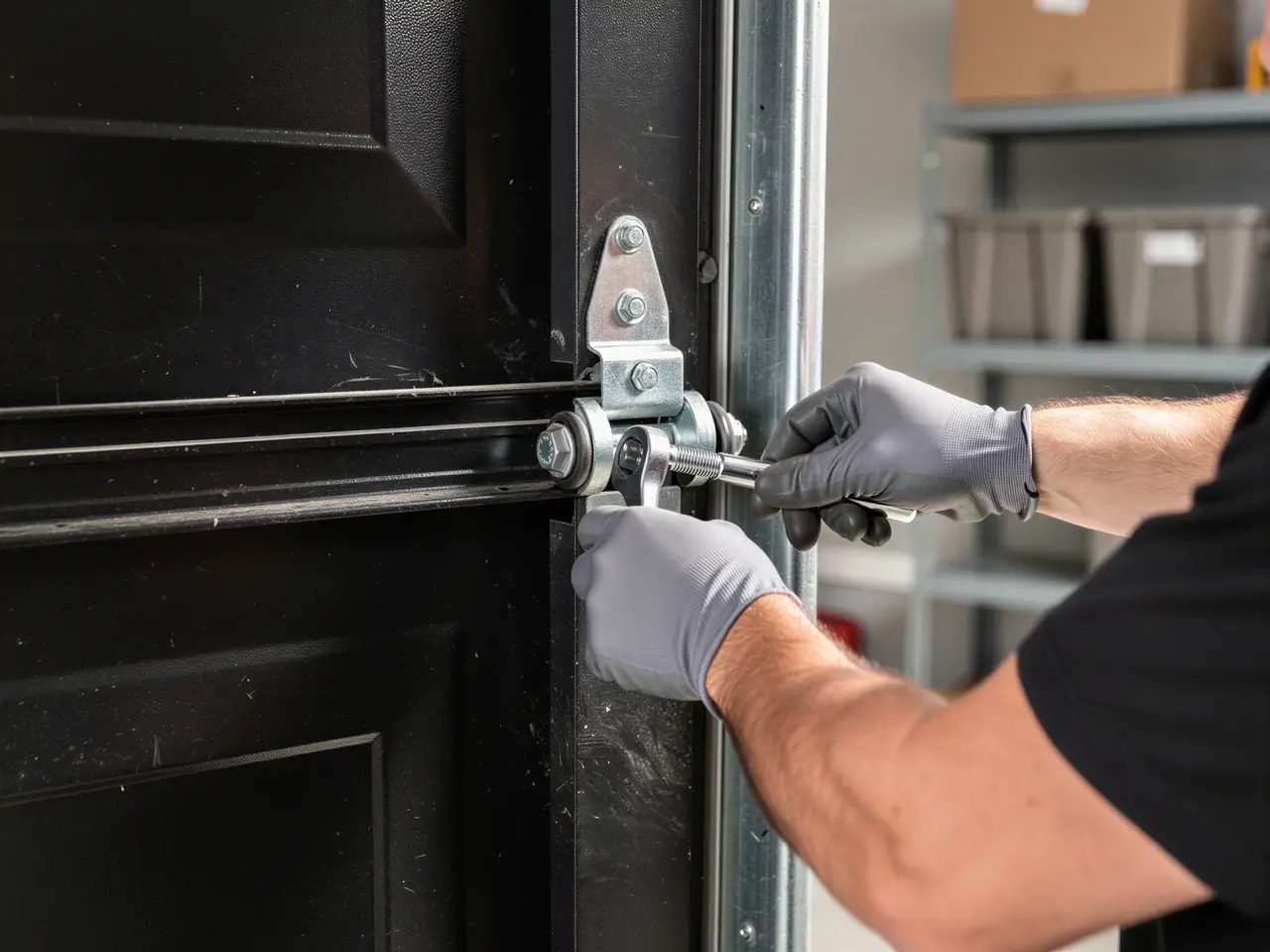
A torsion spring that's lost tension will let the door drop the last foot instead of lowering smooth. A binding track usually means the rollers are dry or the track shifted slightly off plumb. An opener that hums but doesn't lift is often a capacitor or a gear set giving out, not the door itself. None of these are mysterious once you're standing in front of the door, but over the phone they all sound the same, which is why we ask what time of day it happens and whether it's worse on hot afternoons.
The thing to know going in: a door that is merely slow or noisy is not an emergency, and forcing it with the opener when it's binding can bend a track that was otherwise fine. If it stops responding altogether, stop pulling the emergency release cord and trying to force it by hand - that's how a spring under load becomes a hospital visit instead of a repair bill.
Where This Job Goes Sideways
The mistake we see most in this area is treating a spring replacement like a bolt swap. On a double-car door, both springs carry the load together even when only one has broken, and the other one is usually close behind it on fatigue. Replace just the broken one and you're back out in a few months for the second failure, except now it's an emergency instead of a scheduled call.
The other place this goes wrong is with openers on houses built in the 1980s and 90s - a big share of what's around here per the housing mix in this service area. Those openers have often been replaced once already, sometimes with a unit that doesn't match the original door weight or spring rating. Bolting in a like-for-like replacement opener onto mismatched spring tension burns out the new motor faster than it should last, and the homeowner ends up blaming the opener brand when the real issue was never swapped out underneath it.
We won't quote a one-spring fix on a double door, and we won't install an opener without checking what it's being asked to lift. That's a slower sale for us and a longer-lasting door for you.
What Causes It Around Here
Housing in this service area spans 1953 through 2014, with a lot of it dating to the 1980s and 90s, and that range matters more than people expect. Springs and openers installed in the 80s and 90s are old enough now that metal fatigue and worn-out circuit boards are catching up at the same time, in the same houses, which is why we see spring failures and opener failures bunched together on one service call instead of spread out.
The moderate-to-hot climate here adds its own wear pattern. Garage temperatures swing wide between morning and afternoon on summer days, and that swing expands and contracts the steel in torsion springs every single day the door gets used. A spring rated for a certain number of cycles reaches that number faster under daily heat stress than it would in a cooler climate, which is part of why springs on older Colleyville houses tend to go earlier than the sticker cycle rating suggests.
Garages that face west or get afternoon sun hold heat longer into the evening, and that's usually where we find the opener boards that have cooked themselves over the years - plastic housings gone brittle, capacitors swollen before they finally quit.
Doing It Yourself
Lubricating rollers and hinges with a garage-door-rated silicone spray is something any homeowner can do, and it's worth doing twice a year - it genuinely cuts down on the grinding noise and slows roller wear. Tightening visible bolts on the track brackets is also fair game, as long as the door is down and the opener is unplugged first.
Torsion springs are not a DIY repair. The spring is wound under enough tension to break bones if the winding bars slip, and we mean that literally, not as a sales pitch. Cable replacement carries the same risk since the cable is under load from the same spring system. If you're comfortable with a ladder and a screwdriver, checking that the photo-eye sensors near the floor are aligned and free of dust is a legitimate fix for a door that reverses for no reason - that one's genuinely free and takes five minutes.
If your opener is original to a house built in the 1990s, replacing it yourself with a boxed unit from a hardware store is possible, but matching it to the correct spring tension for your door's weight isn't something you can eyeball. Get the spring rating checked first.
Frequently asked questions
Why did my garage door spring break on a hot afternoon?
Heat cycling is part of it. Garage temperatures here swing wide between morning and afternoon, and that daily expansion and contraction fatigues torsion springs faster than their rated cycle count suggests, especially on springs that are already a couple decades old.
Do you fix both springs or just the broken one on a double door?
We replace both springs on a double-car door even if only one failed. They carry the load together and wear at close to the same rate, so leaving the second one in just delays the next breakdown and turns a planned repair into another emergency call.
My opener is from the 1990s - should I replace it or repair it?
Depends what's wrong. If it's the circuit board or a worn gear, repair can make sense. But a lot of houses in this area have already had one opener swap, and the replacement isn't always matched to the door's actual spring tension - worth having that checked before you decide.
Can I lubricate the door myself?
Yes, and you should. Silicone spray on the rollers, hinges, and track about twice a year cuts down on grinding and slows wear. Skip the torsion spring and cables entirely - those are not safe to touch under tension.
Related services
Related guides
By Neighborhood
Garage Door Repair across the Colleyville area
We also handle garage door repair in these Colleyville-area suburbs.
Book garage door service in Colleyville
Call now or request a quote - tell us what the door is doing and where you are.