
Colleyville, TX · Garage Door Service
Garage Door Service for Trophy Club Homes
Garage door service for Trophy Club, built mostly after 2000, from Colleyville Garage Door Pros, 7 miles away. Springs, openers, and track work for newer builds.
- Repairs & new doors
- Springs & openers
- Serving 7 nearby communities
What That Means for Doors
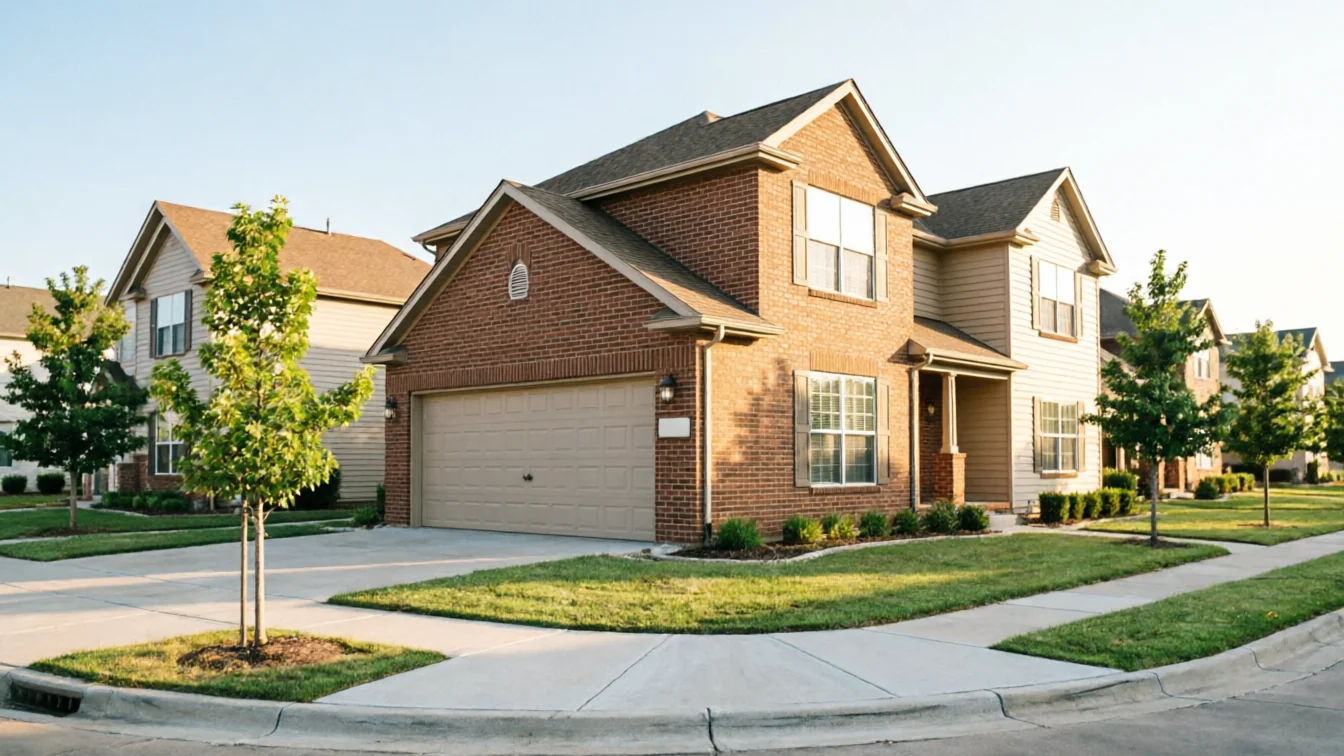
Trophy Club's median year built sits around 2000, a bit newer than the 1997 median across our whole service area. That shift matters more than it sounds like it should. Doors from this era came standard with steel torsion springs on center-mount hardware, factory-set extension rails, and openers built for a 1/2 horsepower chain or belt drive rather than the older screw-drive units you still find in pockets of 1980s construction nearby. We drive the 7 miles from Colleyville knowing what we're likely to find before we open the truck: fewer of the ancient one-piece doors, more of the sectional steel panel doors with roller tracks that just need a tune-up rather than a full tear-out. The failure points shift too. On a 2000-era door, we're usually chasing a worn cable drum, an opener logic board going flaky, or weatherstripping that's finally given up after two decades, not the brittle springs and rusted hinges that show up on older stock. Knowing the build era ahead of a job means we bring the right spring size and the right opener parts on the first trip instead of guessing.
The Split Between Old and New
Across the wider service area, housing spans 1953 to 2014, with a lot of 1980s and 90s construction mixed in across the 29 communities we cover. Trophy Club doesn't carry that same spread. With roughly 4,784 households and a median build year closer to 2000, the town reads newer and more uniform than the area median suggests. That uniformity cuts down on surprises. We're not pulling up to a 1960s slab house next to a 2010 build on the same street the way we might elsewhere in the coverage area. Most garages here were framed for the same door widths, the same headroom, and the same opener bracket spacing, which keeps parts matching from one call to the next. The median household income here, about $193,026, also runs well above the $118,949 median across the broader area, and that shows up in the kind of doors we're asked to work on - more insulated steel and composite panels, fewer bare single-layer steel doors left over from builder-grade construction in older subdivisions.
The Usual Work Here
On doors from this build era, the calls tend to run a short list: torsion spring replacement once the original spring finally fatigues, usually somewhere past the 7-to-10-year mark depending on use; opener circuit boards and sensor eyes that drift out of alignment; and worn rollers that have gone from nylon to noisy. We also see broken cables on double-wide doors, which is common once a door's been cycled a few thousand times without the drums ever being checked. What we don't see much of here is the structural rot or warped wood panel work that shows up on the area's oldest stock - Trophy Club's newer builds mostly skip that problem. One honest limitation: if a spring or cable has already let go and the door is sitting on the ground, we don't recommend trying to force it back onto the track yourself. That's a same-visit fix for us, but a bad DIY attempt on a loaded torsion spring is how people get hurt.
What Was Built Here
With a median year built around 2000, most garages in Trophy Club were built to the opener and door codes of the late 1990s rebuild wave, not the retrofitted standards you'd expect on older housing stock elsewhere in the coverage area. That means factory openers with basic safety reversal sensors as standard, rather than the aftermarket add-ons we sometimes have to install on older homes to bring them up to current expectations. Heat is the main climate factor we plan around here, same as the rest of the region, and it's moderate rather than extreme - but it still means nylon rollers and plastic gear sets inside openers age out over time, especially on doors that get full sun exposure most of the day. We travel in from Colleyville, 7 miles out, and the newer, more consistent housing stock here generally means straightforward service calls: parts on the truck match what's actually installed, and there's less guessing involved than on older mixed-era streets.
Frequently asked questions
Is my garage door opener likely original to the house in Trophy Club?
If your home was built around the town's median year of 2000, there's a decent chance the opener has been replaced at least once by now - most chain and belt drive units from that era run 10 to 15 years before the motor or circuit board gives out. We can check the model plate and tell you what you're working with.
Do you have a shop or depot in Trophy Club?
No. Colleyville Garage Door Pros is based in Colleyville, about 7 miles out, and we drive in for service calls. We don't keep a local depot or stock location in Trophy Club itself.
Why does the age of my house matter for a spring repair?
Spring size and winding depend on door weight and track configuration, which changed over the decades. Knowing a house dates to around 2000 rather than 1985 tells us which torsion hardware to expect before we even open the garage, which keeps the visit to one trip instead of two.
Are older garage doors in the area harder to service?
Generally yes. The wider service area has homes going back to 1953, and those older doors sometimes have discontinued track hardware or wood panels that need custom work. Trophy Club's newer housing stock tends to be simpler and faster to service.
Garage door services in Trophy Club
Every service our crew runs in Trophy Club, TX.
Book garage door service in Colleyville
Call now or request a quote - tell us what the door is doing and where you are.